00:00:00:00
ON-DEMAND WEBINAR
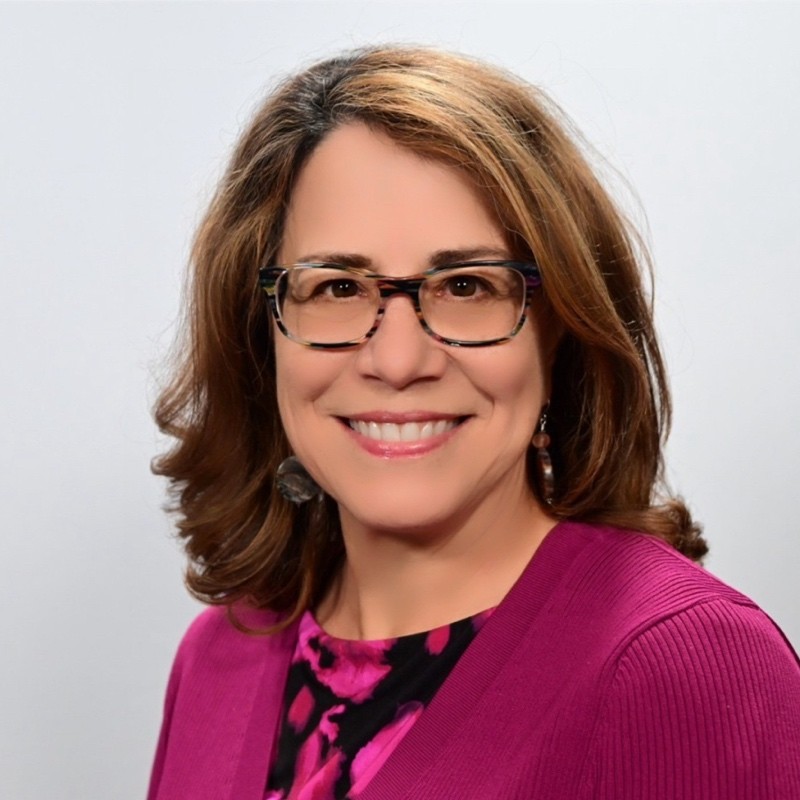
Consultant, Linda S. Barnes Consulting
Dr. Linda S. Barnes is a Visiting Assistant Research Professor at the University of Pittsburgh Swanson School of Engineering, specializing in implementation science research on blood and biotherapies. She also serves as president of Linda S. Barnes Consulting, offering executive consulting and leadership advisory services to life sciences organizations. With over 25 years of expertise in the life sciences, she excels in cell and gene therapies, clinical trial operations, quality systems, and regulatory affairs. Dr. Barnes supports leaders and teams in delivering projects more efficiently and effectively. As a serial entrepreneur, she is committed to creating value for clients and stakeholders. She earned her BA in Biology from Whitman College, MHA from the University of Washington, and Doctor of Public Health from the University of Illinois-Chicago. Her credentials include Regional Baldrige Examiner and Cellular Therapies Assessor, and she has certifications in Regulatory Affairs and Advanced Biotherapies.
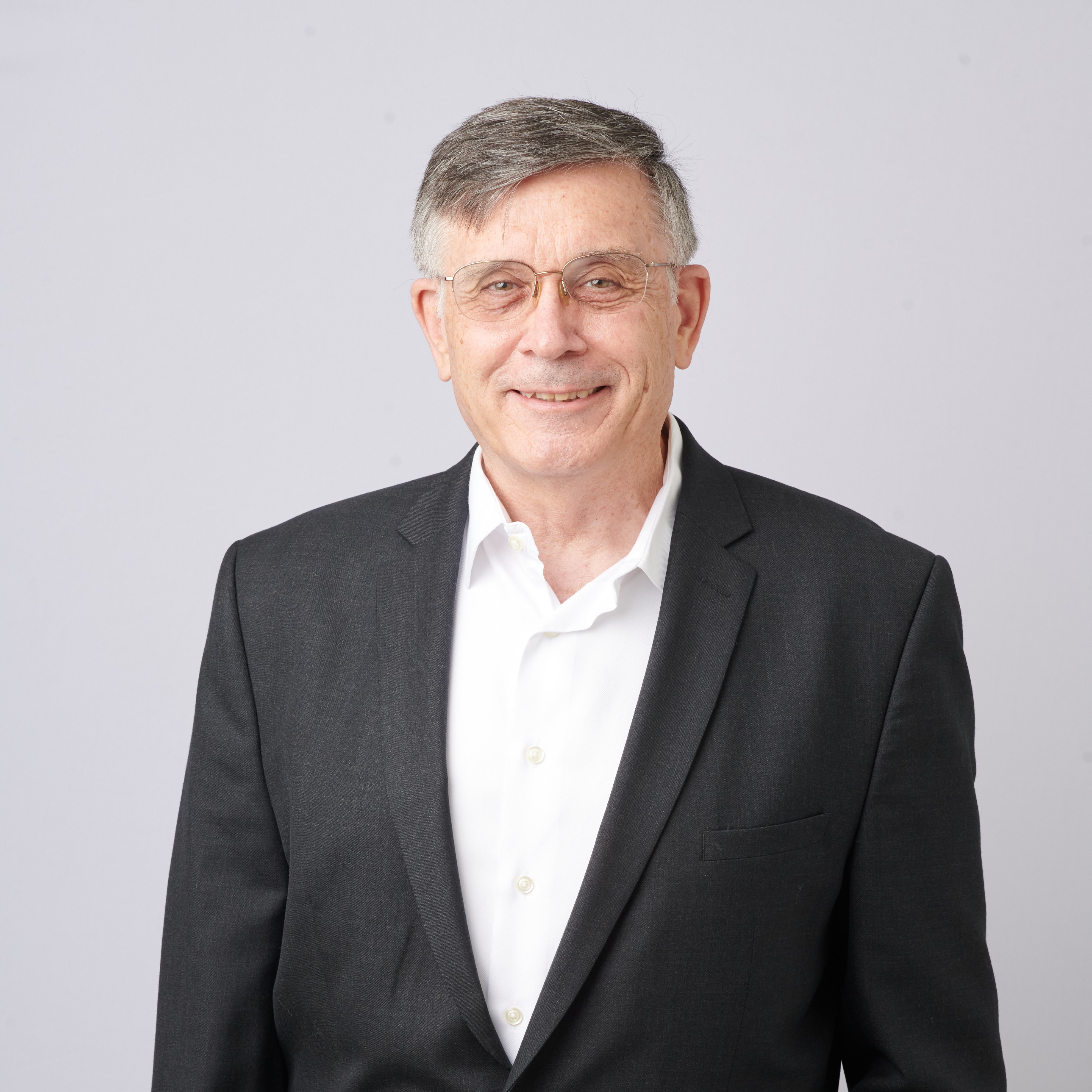
Chief Scientific Officer, Cellphire Therapeutics
Dr. G. Michael Fitzpatrick serves as Chief Scientific Officer at Cellphire, where he has led the development of the company’s first line of hemostatic products since joining in 2006. With over four decades of experience in military and civilian blood banking and biomedical science, Dr. Fitzpatrick brings deep expertise and leadership to the field. Prior to working at Cellphire, he was Chief Operating Officer of America’s Blood Centers, the largest network of non-profit community blood centers in North America. His distinguished 29-year career in the U.S. Army culminated in his retirement as Colonel in 2003. During his military service, Dr. Fitzpatrick played a pivotal role in clinical transfusion medicine, blood collection and delivery, and research. He oversaw blood support operations for deployed troops and served as Director of the Armed Services Program from 1999 to 2003, the sole provider of blood products to the U.S. Armed Forces. His assignments included leadership roles in Korea, Europe, and major military medical centers, as well as directing the Tri-Service Blood Bank Fellowship at Walter Reed. In recognition of his contributions, he received the 2020 Lifetime Achievement Award from the Armed Services Blood Program. Dr. Fitzpatrick holds degrees from Colorado State University and Bowling Green State University, including a Ph.D. in Immunohematology.
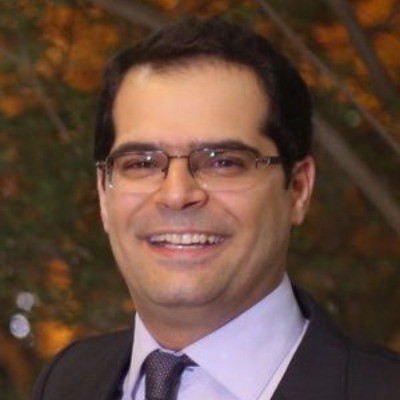
Emergency Medicine FRCPC Transfusion Medicine Fellow, Canadian Blood Services and University of Toronto
Dr. Ali Tabatabaey is a seasoned emergency medicine specialist and current Transfusion Medicine Fellow at Canadian Blood Services and the University of Toronto. He also has a master’s degree in health informatics at the University of Toronto Institute of Health Policy, Management and Evaluation. With a rich background spanning clinical care, academic instruction, and medical journalism, Dr. Tabatabaey brings a unique blend of frontline experience and scholarly insight. He has held faculty and leadership roles in Iran, contributed to numerous peer-reviewed publications, and earned multiple national honors for his academic and literary achievements. His interest is at the intersection of emergency medicine, transfusion medicine, and health informatics, where he hopes to bridge knowledge and insight between these disciplines.

WellSky® is one of America’s largest and most innovative healthcare technology companies, leading the movement for intelligent, coordinated care.
In today’s value-based care environment, WellSky connects providers, payers, health systems, life sciences companies, and community organizations through AI-powered software, analytics, and services.
Our solutions help organizations scale smarter, collaborate more effectively, and unlock data-driven insights.
The result is better alignment across all dimensions of clinical and social care — supporting better outcomes and lower costs.
WellSky serves more than 20,000 client sites — including the largest hospital systems, blood banks, cell therapy labs, home health and hospice franchises, post-acute providers, government agencies, and human services organizations.
With more than 40 years of industry expertise further amplified by AI, WellSky anticipates clients’ needs and innovates relentlessly to shape the future of coordinated care.
For more information, visit wellsky.com.